
This year, I have been to the cinema a lot. I think I have seen more films on the big screen this year than any other year since I was 18. It was a lot of films, which is a shame as this year has been one of the most disappointing years for film that I can remember. 2016 was the year that the proliferation of franchise blockbusters went from being unoriginal to quite dull.
The dominance of sequels, remakes, adaptations, reboots and other franchise blockbusters continued this year, but most of the key films were a disappointment. X-Men: Apocalypse was overloaded with characters and lacked a decent plot, it also fell into the trap of having an empty special effects filled finale that seemed to boil the main conflict down to who can make the most constipated face for the longest. Also suffering badly from too much spectacle and not enough plot or character was Warcraft, which was so dull that not even Duncan Jones’s direction could make it interesting. Independence Day: Resurgence reminded us why the original was so forgettable and the less said about The Blair Witch Project sequel – cleverly titled The Blair Witch – the better.
However, the most embarrassing display of self-indulgence was reserved for DC and their partnership with Warner Brothers. Batman v Superman: Dawn of Justice was undoubtedly the worst film of the year. Zack Snyder directed a pretentious, dull, overlong, nonsensical and completely charmless superhero team up, that wanted so desperately to be taken seriously, but ended with audiences questioning why Snyder is allowed near a camera. This film could only be liked by someone who thinks that adding Batman to any story automatically makes it one of the most significant artistic works since Shakespeare. DC’s other film, Suicide Squad, was not much better and made me wonder that if this is the best they do with decent characters like the Joker and Deadshot, then the forthcoming dark and gritty Aquaman film is going to be vomit-inducingly awful.
Due to all this, I was positively elated when other franchise blockbusters turned out to be okay, mainly out of a sense of relief. Star Trek Beyond did not do anything original, but managed to be fun and not make me hate myself for spending money to see it. Ditto for JK Rowling’s Fantastic Beasts film – although I have my doubts that franchise can support four more films. Marvel’s Dr Strange was very okay and managed to be visually interesting (other directors take note: this is the cinema, a visual medium), but suffered from dull characters and a lack of emotional resonance.
There were a few decent superhero films this year, most notably Deadpool, which used adult, postmodern humour to be vaguely original and entertaining. Deadpool is the sassy superhero version of Rosencrantz and Guildenstern Are Dead and his self-awareness made everyone else look self-obsessed.
Captain America: Civil War was also good; drawing on the large number of established characters that Marvel have built up over the years meant that this film had the emotional weight of a series finale of a major TV drama – which is the only artistic endeavour that gives anybody any pleasure anymore. Marvel are clearly still the best at superhero films – based on DC’s output this year they do not need to worry about the competition – and I remain cautiously optimistic about their slate of films for next year.
This year’s remake of Ghostbusters was very entertaining and boasted strong comedic performances from the new cast. A special mention must go to Kate McKinnon for her hilarious oddball performance as Jillian Holtzmann, the group’s engineer. Also Creed breathed some life back into the Rocky franchise, thanks mainly to great acting from Michael B. Jordan and great direction from Ryan Coogler.
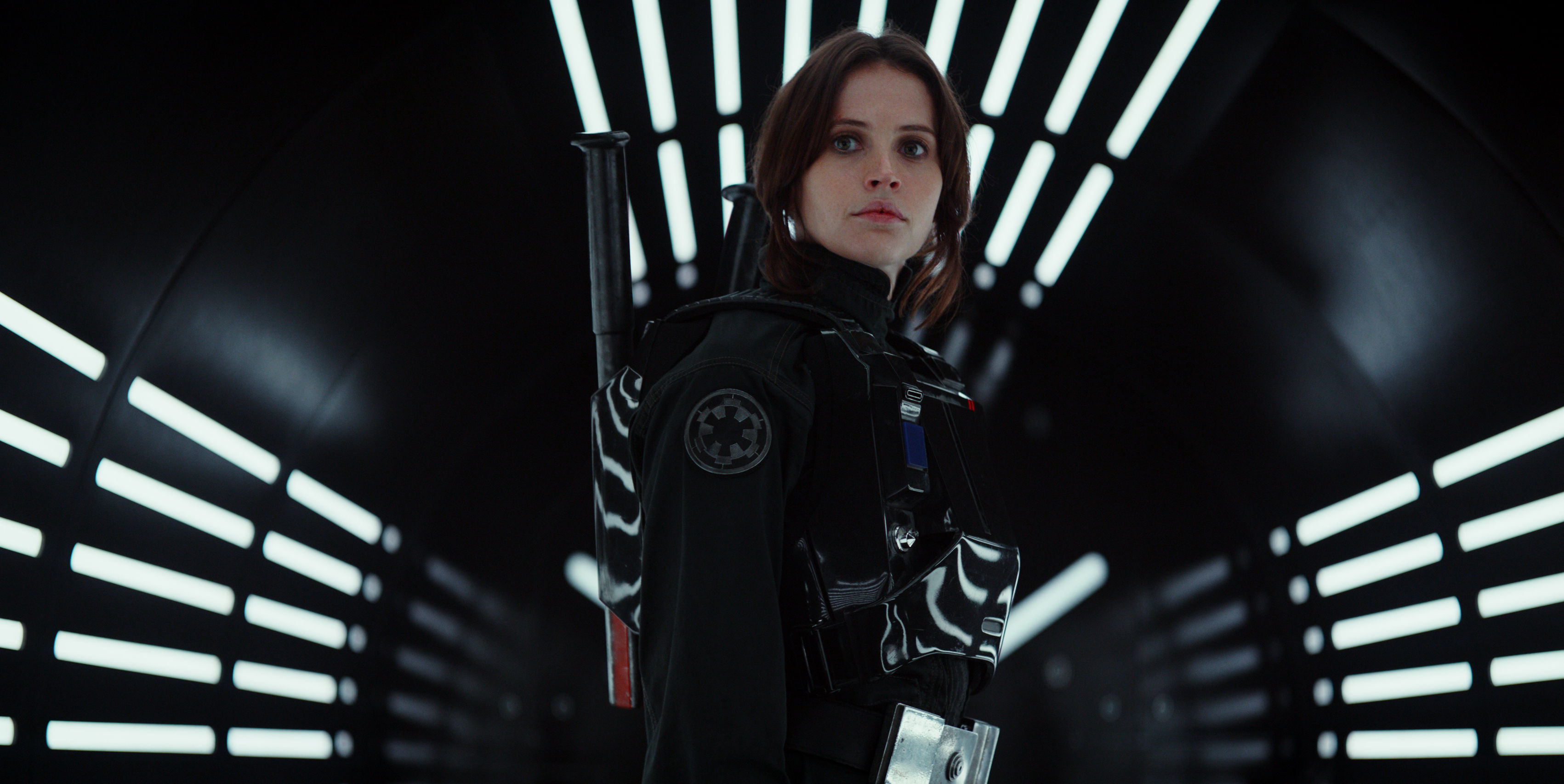
The one franchise blockbuster this year that I felt genuinely excited about before, during and after seeing was Rogue One: A Star Wars Story. This film was the rollercoaster ride that a Star Wars film is supposed to be. The action scenes were spectacular, the plot was tense, the characters were engaging and sympathetic. Rogue One reminded me that franchise blockbusters can be exciting events and not crushing disappointments.
There was also a few good films this year made by Hollywood studios that were not part of major film/TV/game/toy franchises. Arrival was tense, clever and original and confirmed Amy Adams as one of the best actresses working today. Her performance in Arrival was one of the best dramatic performances this year. There was also The Birth of a Nation, a powerful and shocking historical drama, which told an important story about America’s racist past that needed to be heard in 2016. During the Oscar season, The Big Short managed to make the complexity of the 2008 franchise crash accessible to a wide audience and boasts a superb performance from Steve Carell.
In order to find the strongest films of 2016, a trip to an arthouse cinema was necessary. Nicolas Winding Refn’s The Neon Demon was a masterful piece of filmmaking: strange, unsettling, abstract, tense, beautiful to look at and deeply disturbing. This film confirmed Refn as one of the best and most innovative directors working today.
Another film that succeeded in being tense and at times shocking was Jeremy Saulnier’s Green Room. A special mention must go to Patrick Stewart for his intense performance as the Nazi antagonist. The Coen Brothers also released Hail, Caesar, which, although not up to the standard of Inside Llewyn Davis, still managed to be very funny in the Coens’ distinctive odd ball way.
British cinema also had a good year in 2016. Ben Wheatley’s High-Rise brought the JG Ballard novel to life in gory and intense style. I, Daniel Blake made the case for a more compassionate welfare state and, despite not being a modern Cathy Come Home, was powerful and effective. David Brent: Life on the Road turned out to be more than just a cynical cash in on nostalgia for the Office and actually contained some good jokes.
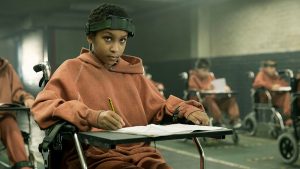
The Girl With All The Gifts, based on the novel by MR Carey, was a thing of terrible beauty: tense, emotional, dark, unsettling and an original twist on the zombie trope. Paddy Considine delivered an excellent performance as the grizzled Sergeant Parks and Sennia Nanua was extremely good as the protagonist, Melanie. She is certainly someone to watch, who is likely to go onto great things.
Overall 2016 was an uninspiring year, lacking a significant number of original, interesting or entertaining films – although there were scattered moments of brilliance. The proliferation of franchise blockbusters is getting tired and the general failure to produce decent films this year is strong evidence that more originality is needed. Even slightly unusual twists on established franchises or tropes – such as Deadpool, Ghostbusters or The Girl With All The Gifts – are preferable to the dull and unoriginal DC films. With the growing number of streaming services offering original content, cinema needs to take some risks to hang onto audiences that are easily lured away by Netflix or Amazon Prime.
I am not hugely hopeful for an explosion of originality in 2017, as next year’s films include a Guardians of the Galaxy sequel, a Thor sequel, a Blade Runner sequel, another Spider-Man film, another DC team up (I am already shuddering), another Hugh Jackman Wolverine film, another Alien prequel, another Planet of the Apes prequel, Star Wars Episode VIII (could be good), another Kong film, 50 Shades Darker, Cars 3, the Baywatch film, another Transformers film (who event watches these anymore?), a Wonder Woman film, another Pirates of the Caribbean film, a Power Rangers film (seriously?), Fast and the Furious 8, a Trainspotting sequel, a Kingsmen sequel, World War Z 2 and yet another Saw film. Still maybe Lego Batman will be good. Hopefully.
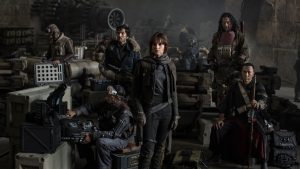 Twenty-three podcasts, just in time for the twenty-fifth of December! It’s nearly Christmas, and to celebrate, Nick and Alastair have seen An Inspector Calls and the Supergirl/Flash/Arrow/Legends of Tomorrow crossover. Neither of which are particularly festive. Oh well.
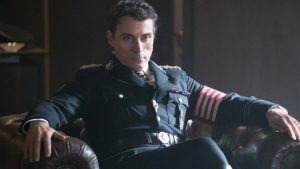 Next up, a rare MFV complete disagreement as both our heroes have seen Amazon’s Philip K. Dick adaptation The Man In The High Castle (22:48), but only one of them likes it much. Which host is the Nazi sympathiser? You’ll have to listen to find out. We’re also taking a look at Nate Parker’s new film The Birth Of A Nation (42:04), chronicling the 1831 slave rebellion of Nat Turner.
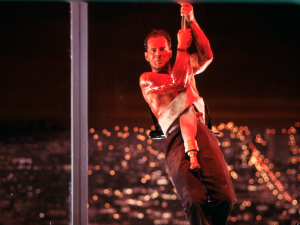 Then we reach a seasonal feature at last, as Nick finally watches Die Hard (53:10). Some say it’s the best Christmas movie ever. Does he agree? Is it even a Christmas movie at all? Rest assured, this will be discussed.
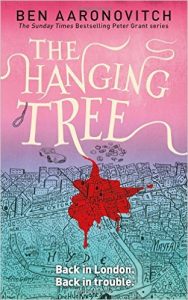 A spoilery clip cut from our discussion of The Hanging Tree (the new Rivers of London novel by Ben Aaronovitch), because putting ending spoilers for a fairly recent novel in our general podcast seemed bad form. But we hate to waste content, so here they are, just in case anyone wants to hear it anyway. Also Nick spoils a plot move from the first couple of Luke Cage episodes, though it’s quite an obvious one. Consider yourselves thoroughly warned.
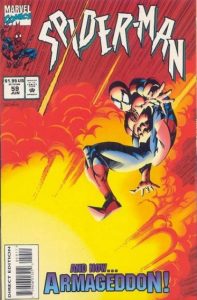 Hi everyone, Nick here. I’ve been meaning to write an article for the podcast site for a while, and anyone who knows my comics-reading history at all won’t be surprised to hear what finally jerked me into action.
 Twenty-two episodes of our podcast and somehow 2016 is still going! This fortnight, both of us went on London outings, Nick to the SMASH comics-chat event run by the
 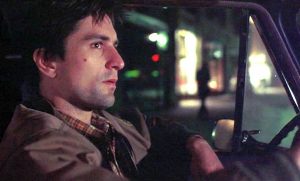 Finally, Alastair recommends Taxi Driver (54:59) directed by Martin Scorsese and starring Robert De Niro, a classic of modern cinema that Nick, unsurprisingly, has never seen.
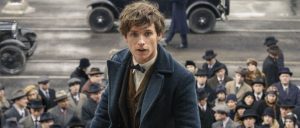 Episode twenty-one! The podcast comes of age everywhere, just in time for the world to basically collapse. Alastair matches the mood with Hypernormalisation, a new documentary from Adam Curtis
  Forcing ourselves into the present day, we take on Fantastic Beasts And Where To Find Them (6:45), a new film set in the past of the Harry Potter universe. To help us get to grips with this, we bring in blogger, booktuber and Potter-lover Claire Rousseau, last seen
  If you enjoy Claire’s appearance here, you can get more from her at
 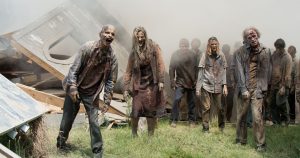 For the first time in a while, a deleted chunk from the last episode – Nick and Alastair talk about The Walking Dead and how it endures despite just being the same cycle of suffering again and again. (Well, okay, it’s mostly Nick as Alastair doesn’t watch it.)
 Episode twenty! Another numerical milestone, and one recorded before the recent American electoral news, so no mention of that here. However, we do have intro talk of Flash, Arrow, Legends of Tomorrow and The Walking Dead from Nick, until Alastair raises the tone with indie film London Overground.
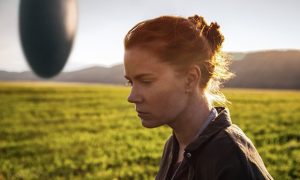 Meanwhile, in cinemas, we’ve got a review of Arrival (40:05), the new scifi/semantics movie starring Jeremy Renner and Amy Adams trying to speak to aliens, and then Lo And Behold: Reveries of the Connected World (53:26), a new documentary from Werner Herzog offering a slightly more uplifting view of technology than Black Mirror.


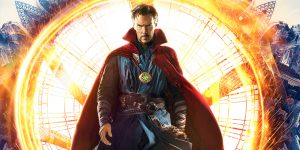 Episode nineteen, and it’s almost feature length this time! But in our defense, there’s a lot to get through. Before any of that, though, we’ve been attending live recordings of other podcasts, specifically
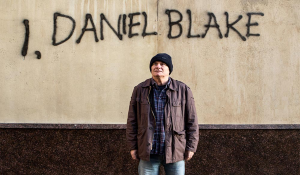 Moving out of mainstream geek culture, we’ve also seen I, Daniel Blake (52:59), the new movie from Ken Loach about Britain’s none-too-fair welfare system. If you want to read Alastair’s take on the politics of this film,
 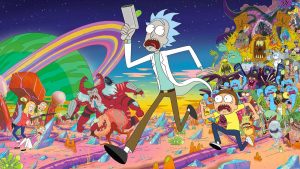 And then straight back into the nerdosphere, Nick’s recommended Alastair the first few episodes of anarchic sci-fi cartoon Rick & Morty! (68:14)


Recent Comments